Gardening is something many people enjoy. It offers fresh air, relaxation, and the satisfaction of growing something with your own hands. For people living with disability, traditional gardens can sometimes be difficult to access or manage.
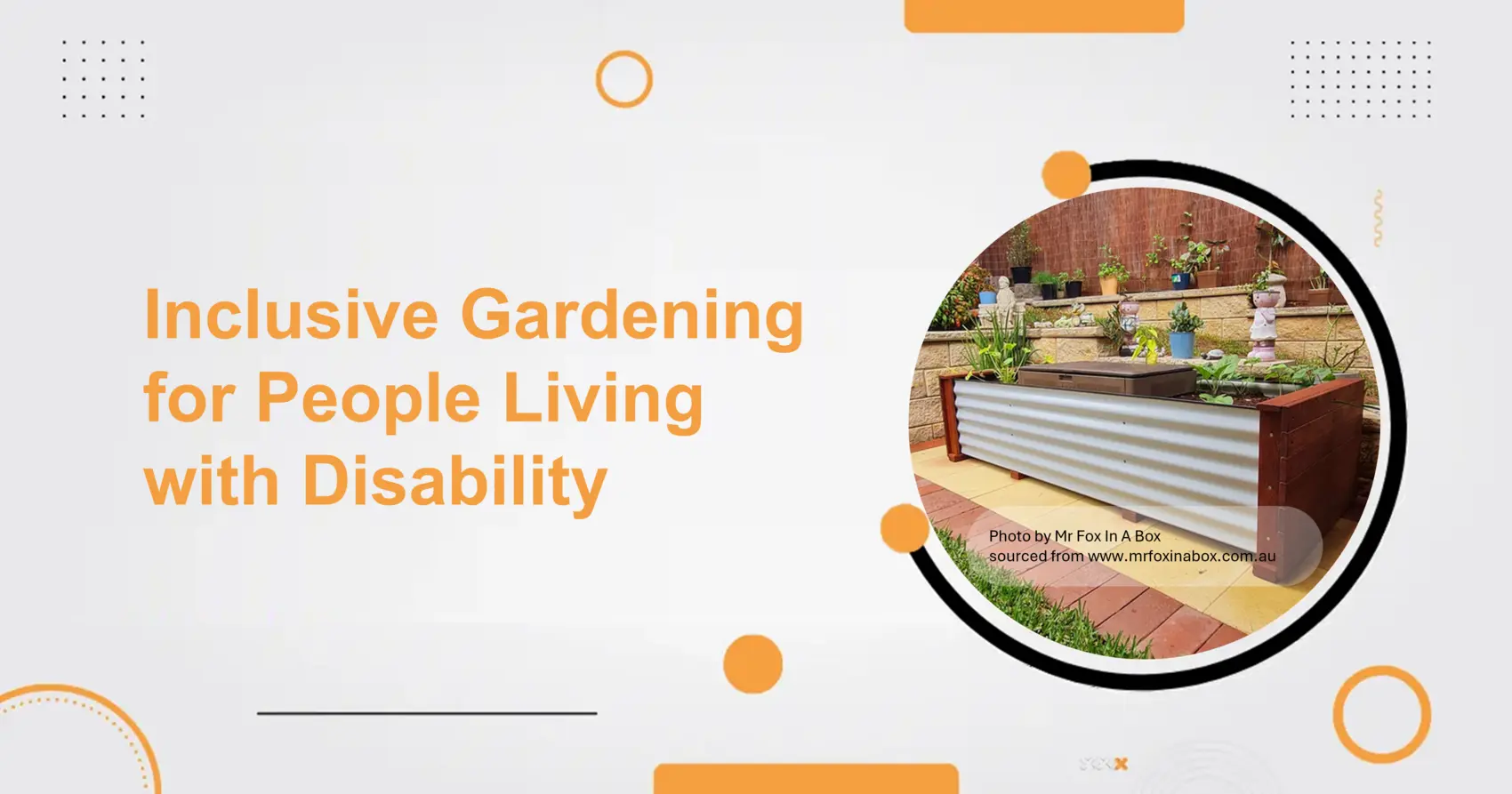
Inclusive gardening solutions are helping make gardening more accessible. Companies like Mr Fox In A Box design garden systems that make it easier for people of all abilities to garden.
Why gardening matters
Gardening is not just about growing plants. It can support physical health, mental well-being, and independence. Spending time outside and caring for plants can improve mood, reduce stress, and provide a sense of purpose.
For people living with disability, gardening can also help develop practical skills and confidence. Activities like planting seeds, watering plants, and harvesting vegetables encourage movement, coordination, and routine. Gardening can also be a social activity when people garden alongside support workers, family members, or friends.
Making gardens accessible
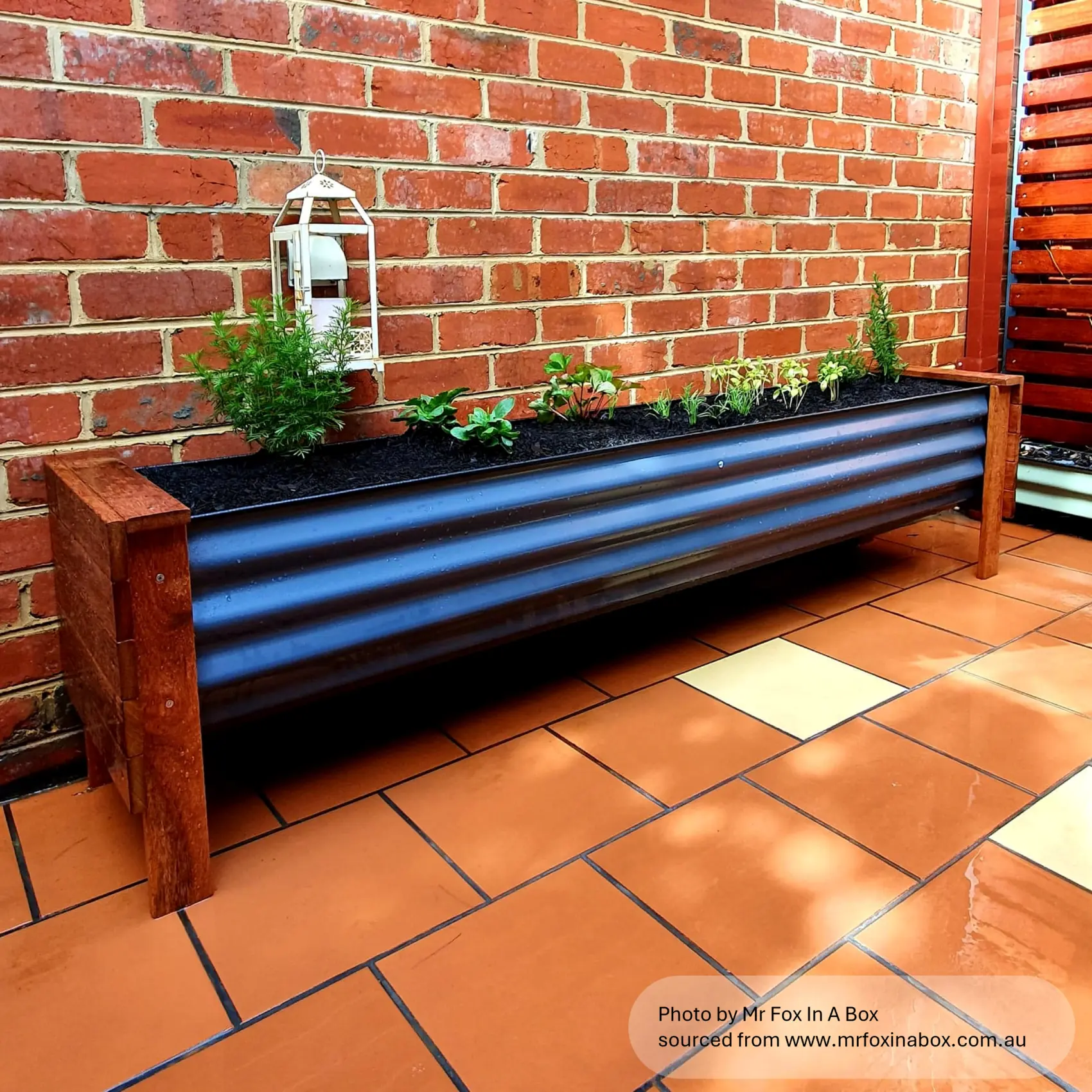
Traditional garden beds are often too low or hard to reach, especially for people who use wheelchairs or have limited mobility. Inclusive gardening systems are designed to make gardening easier and more comfortable.
Raised garden beds allow people to garden while seated, making planting and harvesting simpler. Some systems also include self-watering technology, which helps keep plants healthy with less effort.
These designs make it possible for more people to grow vegetables, herbs, flowers, or sensory plants in their own space.
Gardening and the NDIS
For participants of the National Disability Insurance Scheme, access to gardening equipment may depend on individual plans and specific funding requirements.
If a participant’s goals include activities that support independence, well-being, or community participation, accessible gardening equipment may be considered. Eligibility and funding will depend on the participant’s plan, supporting documentation, and whether the item is considered reasonable and necessary.
In some cases, gardening systems may be considered assistive equipment that supports daily living, recreation, or skill development. Participants should check with their support coordinator, plan manager, or the NDIS to see whether this type of equipment can be included in their plan.
Building independence and confidence
Gardening can be a practical way to build independence. Participants can learn to grow their own food, care for plants, and develop routines around maintaining their garden.
It also encourages creativity and connection with nature. Whether growing fresh herbs for cooking or planting flowers for a sensory garden, accessible gardening gives people the chance to take part in a meaningful activity that supports both well-being and independence.
Inclusive gardening solutions are helping make sure everyone, regardless of ability, can enjoy growing and caring for a garden.
More information about these solutions can be found on their website at mrfoxinabox.com.au, which explains how their garden beds are designed to support inclusive and accessible gardening.
Please note: Help at Hand Support is wanting to raise awareness of inclusive solutions that are available for people on the NDIS. We are not making any endorsements of any products or solutions. We ask that everyone ask questions and conduct their own research.

Check out more from our Blog


Book A Care Consult
We will be in contact with you shortly