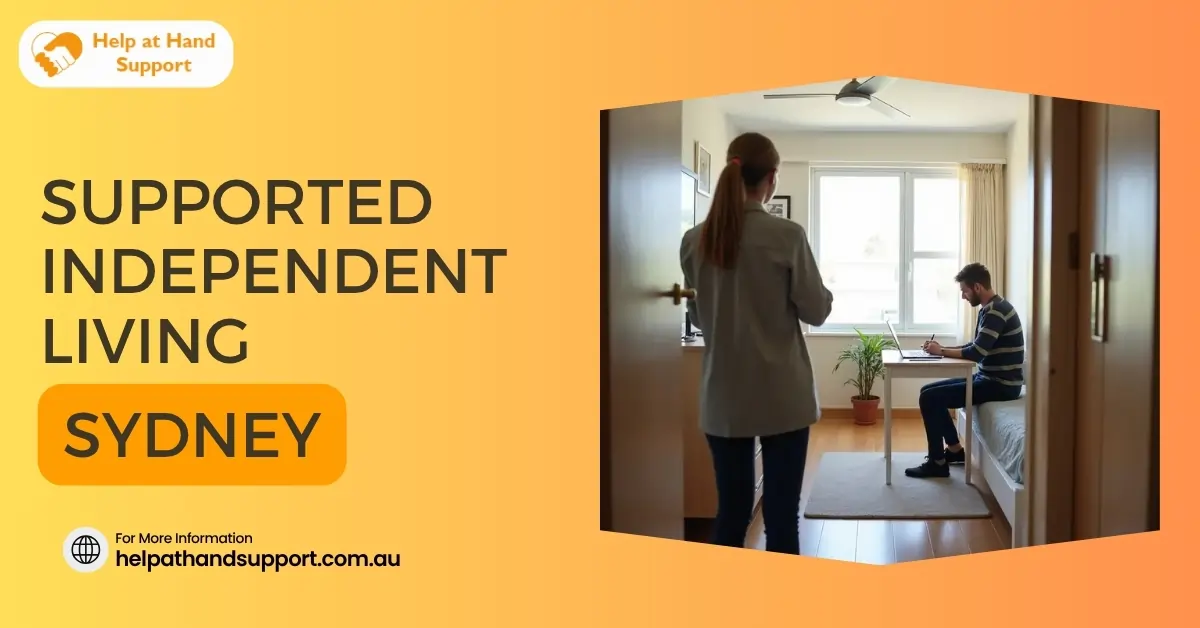
Supported Independent Living (SIL) in Sydney enables people with disabilities to live more independently while receiving daily support.
Help at Hand Support offers NDIS-funded SIL homes across Sydney, providing 24/7 or tailored assistance with personal care, meals, community access, and skill development.
📞 Call 1300 822 190 or Contact Us to discuss current SIL vacancies in Sydney.
What is Supported Independent Living in Sydney?
Supported Independent Living in Sydney is an NDIS-funded daily support service that helps people with disabilities manage personal care, household tasks, and community living while staying in a shared or supported home.
How SIL compares to SDA and ILO
- Supported Independent Living (SIL): Covers support staff who assist with daily routines, supervision, and skill-building.
- Specialist Disability Accommodation (SDA): Covers the physical housing, such as accessible homes or modified apartments.
- Individualised Living Options (ILO): Provides flexible, less structured support arrangements tailored to personal choice.
Many providers mention SIL and SDA but overlook ILO. Including the ILO ensures families can clearly compare all living options available under the NDIS.
What does Supported Independent Living include in Sydney?
Supported Independent Living in Sydney encompasses daily personal, household, and community supports that enable participants to live safely and build independence.
SIL services with Help at Hand Support are as listed below.
- Personal care such as grooming, showering, and dressing
- Meal preparation and nutrition support for balanced, healthy living
- Medication management with reminders and health routines
- Household tasks, including cleaning, laundry, and shopping
- Budgeting and money management support to develop independence
- Skill-building programs in daily routines, travel, and communication
- Community access to social, cultural, and recreational activities

Levels of Supported Independent Living in Sydney
NDIS SIL funding is tailored to the level of support required by each participant.
Levels of SIL are as listed below.
- Low needs: Drop-in support for daily tasks, no overnight assistance
- Standard needs: Daily support with some overnight assistance if required
- High needs: 24/7 support with active overnight staff, higher staff ratios
Help at Hand Support provides support at all levels of SIL across homes in Sydney.
Who can access Supported Independent Living in Sydney?
Supported Independent Living in Sydney is available to NDIS participants who have higher support needs and require daily staff assistance to live independently.
Eligibility for SIL in Sydney is as listed below.
- NDIS participants with SIL funding included in their plan
- People transitioning into independent living from family homes, hospitals, or aged care
- Adults and young adults who require regular or 24/7 support to manage personal care, household tasks, and community activities
Help at Hand Support works with participants, families, and support coordinators to ensure the right SIL home and level of support are provided.
📞 Call 1300 822 190 to check if you or your family member is eligible for SIL in Sydney.
Types of Supported Independent Living housing in Sydney
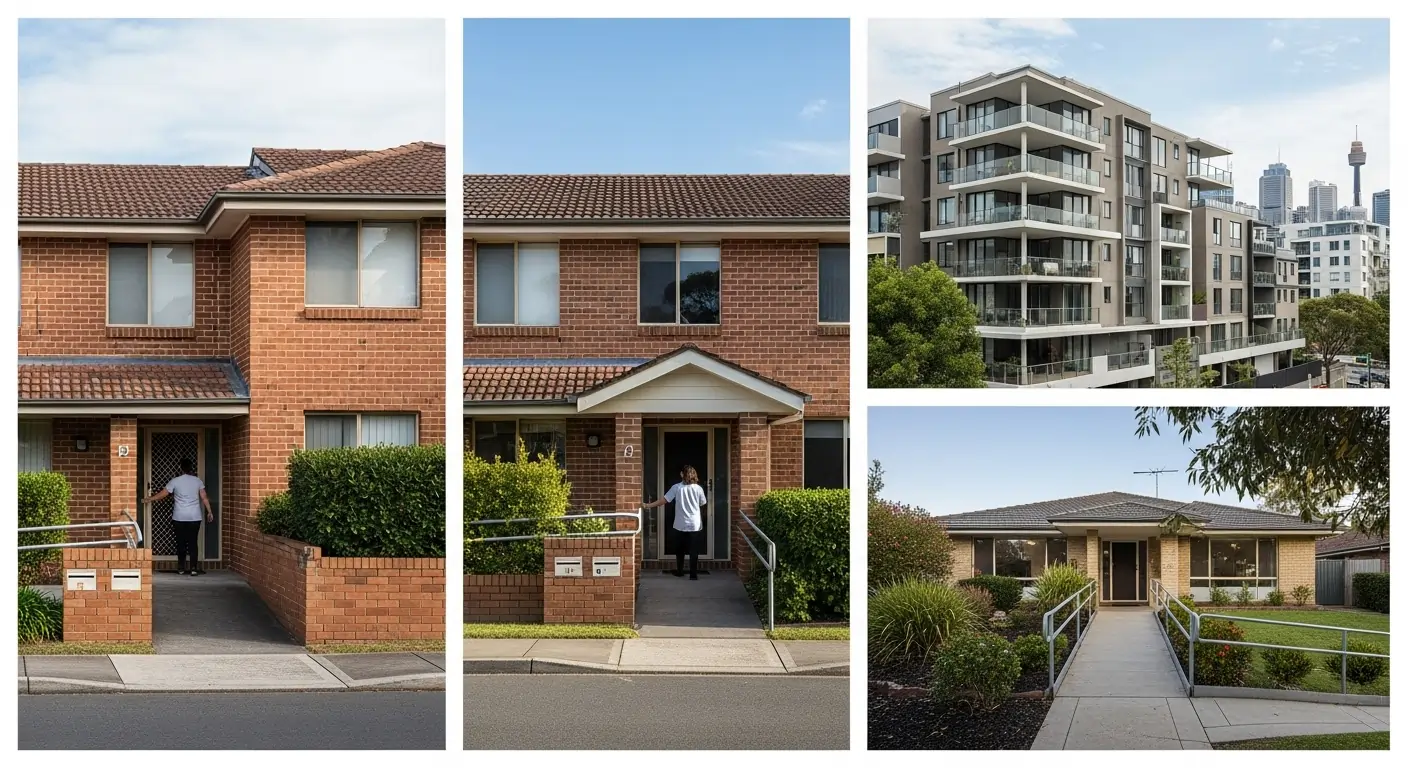
SIL housing in Sydney varies depending on participant needs and preferences.
Common housing options are listed below.
- Shared group homes with 2–5 residents and staff support
- Townhouses and apartments with tailored support services
- Accessible homes modified for mobility and safety
- Specialist housing partnerships where SDA is combined with SIL
How is SIL funded in Sydney?
SIL is funded through the NDIS Core Supports budget, using a Roster of Care (RoC) to determine funding levels.
SIL funding explained:
- Roster of Care (RoC): Staff hours and support needs assessed for each home
- Funding covers staff costs – not housing or living expenses
- Participant contributions: Rent, food, and utilities are paid separately
- Flexible adjustments: Funding can change if support needs increase or decrease
Responsibilities of SIL providers in Sydney
NDIS-registered SIL providers must comply with the NDIS Quality and Safeguards Commission.
Provider responsibilities:
- Duty of care for participant safety and well-being.
- Staff training and compliance with NDIS Practice Standards.
- House management including rosters and support delivery.
- Reporting requirements for incidents and participant outcomes.
Help at Hand Support meets all compliance requirements and prioritises participant wellbeing.

Benefits of choosing Help at Hand Support for SIL in Sydney
Help at Hand Support is a trusted NDIS provider in Sydney, offering Supported Independent Living that focuses on safety, independence, and cultural understanding. Families choose their services because of reliability, compliance, and a strong commitment to participant growth.
The top 5 USPs to choose Help at Hand Support are listed below.
- Registered NDIS provider with full compliance and quality assurance
- Flexible support options including 24/7 supervision or drop-in assistance
- Culturally matched carers who reflect Sydney’s diverse communities
- Accessible SIL homes located across major Sydney regions
- Skill-building programs that go beyond daily care to promote independence
Help at Hand Support combines professional standards with personalised care, making SIL in Sydney both safe and empowering for participants.
How to apply for Supported Independent Living in Sydney
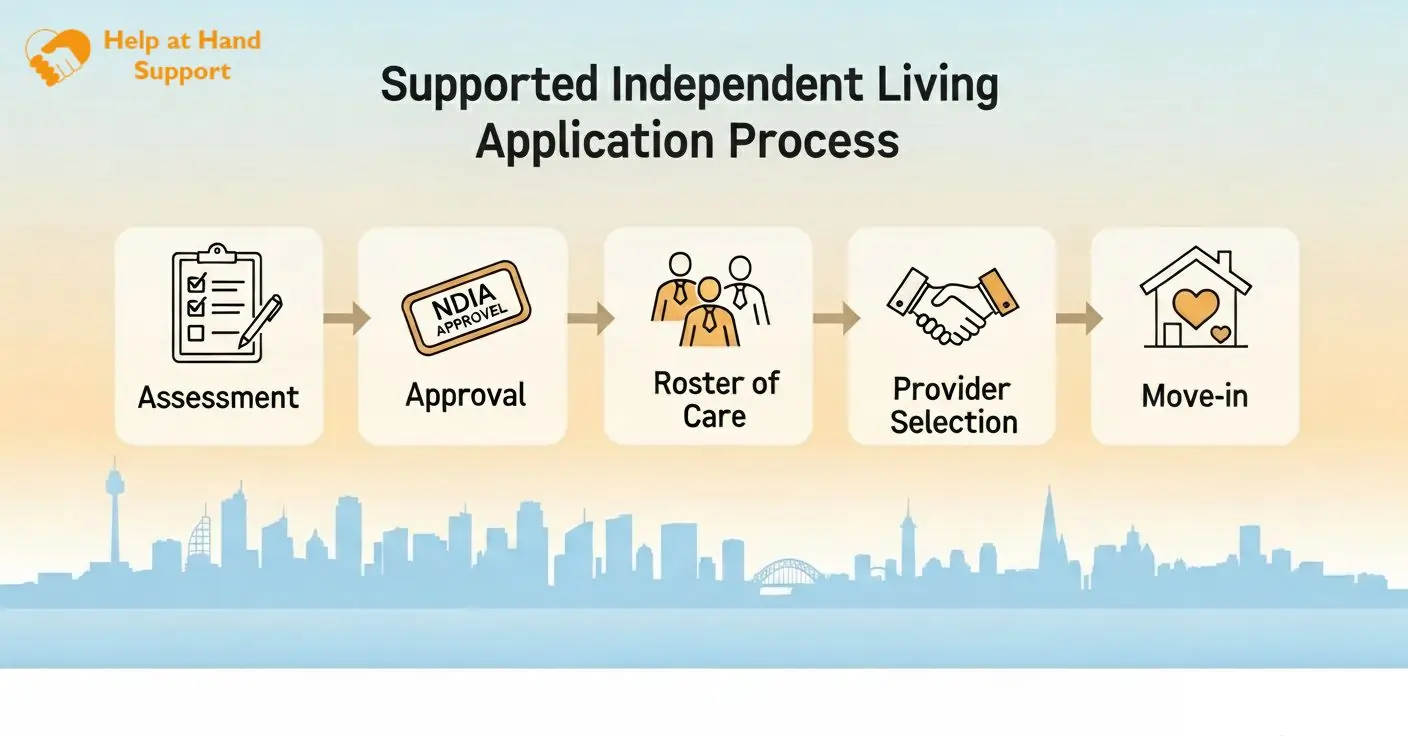
The application process for Supported Independent Living in Sydney involves NDIA assessment, funding approval, and provider selection, with Help at Hand Support guiding families at every step.
SIL application steps are as listed below.
- Assessment: The NDIA reviews the participant’s daily living needs and level of support required.
- Approval: SIL funding is added to the participant’s NDIS plan if eligibility is confirmed.
- Roster of Care: A tailored roster is developed to outline staffing hours and support requirements.
- Provider selection: Families choose an NDIS-registered provider such as Help at Hand Support.
- Move-in: The participant transitions into a SIL home and begins receiving tailored daily support.
Help at Hand Support ensures the process is straightforward and supportive, helping families move from planning to independent living with confidence.
FAQs
Is Supported Independent Living 24/7?
Yes, SIL can provide 24/7 rostered support for participants with high needs.
Do participants pay rent in SIL homes?
Yes, participants pay rent, utilities, and groceries, while the NDIS covers staff support.
Is SIL temporary or permanent?
SIL can be either long-term or transitional, depending on the participant’s needs and the availability of funding.
Can you work if you live in SIL?
Yes, SIL encourages employment and education, with staff support for routines and transport.
What is not covered by SIL?
SIL does not cover rent, utilities, groceries, holidays, or personal spending.
How is SIL different from SDA?
SIL covers staff support, while SDA covers housing. Both may be combined.
Does SIL cover transport to appointments?
No, SIL funding does not cover transport, but Community Access supports may.
What happens if needs change?
SIL funding can be reviewed and adjusted during NDIS plan reassessments.
Are SIL vacancies available in Sydney?
Yes, Help at Hand Support regularly has SIL vacancies in Sydney suburbs. Families can enquire for current availability.
Is SIL the same as SDA?
No. SDA funds housing, SIL funds staff support.
Does SIL cover utilities?
No. Utilities are paid separately.
Can you live in SIL and work?
Yes. Employment is encouraged.
Is Help at Hand Support a registered SIL provider?
Yes. Help at Hand Support is a registered SIL provider.
Transport Services in Sydney
Many NDIS participants in Supported Independent Living also require help with getting to medical appointments, community activities, and social outings.
While SIL funding does not cover transport, families often combine it with Transport Services in Sydney to ensure safe and reliable travel.
This additional support enables participants to attend healthcare visits, educational programs, and community events, thereby strengthening their independence and social participation.