Help at Hand Support provides NDIS-funded support for Global Developmental Delay (GDD) across Australia for children and young people aged 0–18.
Services include daily living training, early intervention, emotional regulation, collaboration on speech and occupational therapy, and structured routines designed to build confidence, communication, and independence.
Every program aligns with the NDIS Act 2013 and the 2026 NDIS Framework and is delivered by trained NDIS support workers.
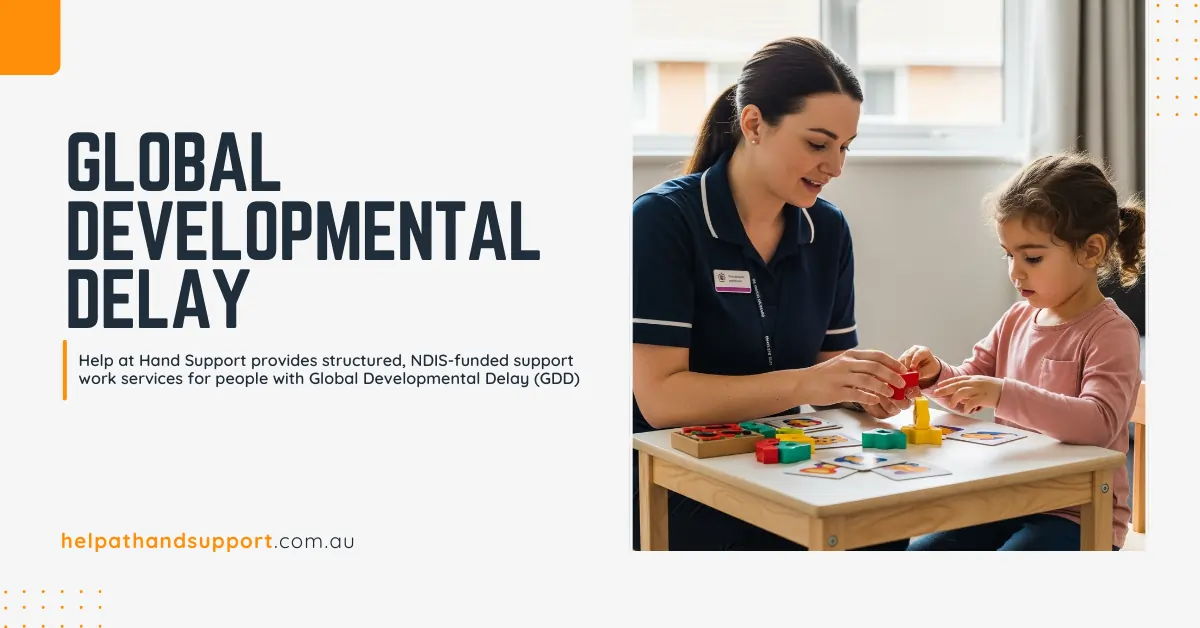
Helping Children with Global Developmental Delay Build Everyday Skills
Help at Hand Support provides structured NDIS assistance that empowers children with Global Developmental Delay to strengthen daily routines, learning, and confidence.
Each participant receives a tailored program built around their individualised NDIS plan, ensuring measurable progress in communication, behaviour, and independence.
What Is Global Developmental Delay Support?
Global Developmental Delay support addresses significant delays in two or more developmental domains, such as motor, speech, cognition, or social interaction.
Help at Hand Support focuses on functional independence goals, helping children practise essential skills in safe, familiar environments while reinforcing emotional and sensory stability.
Support plans integrate early childhood intervention principles, with input from therapists and families to improve developmental outcomes over time.
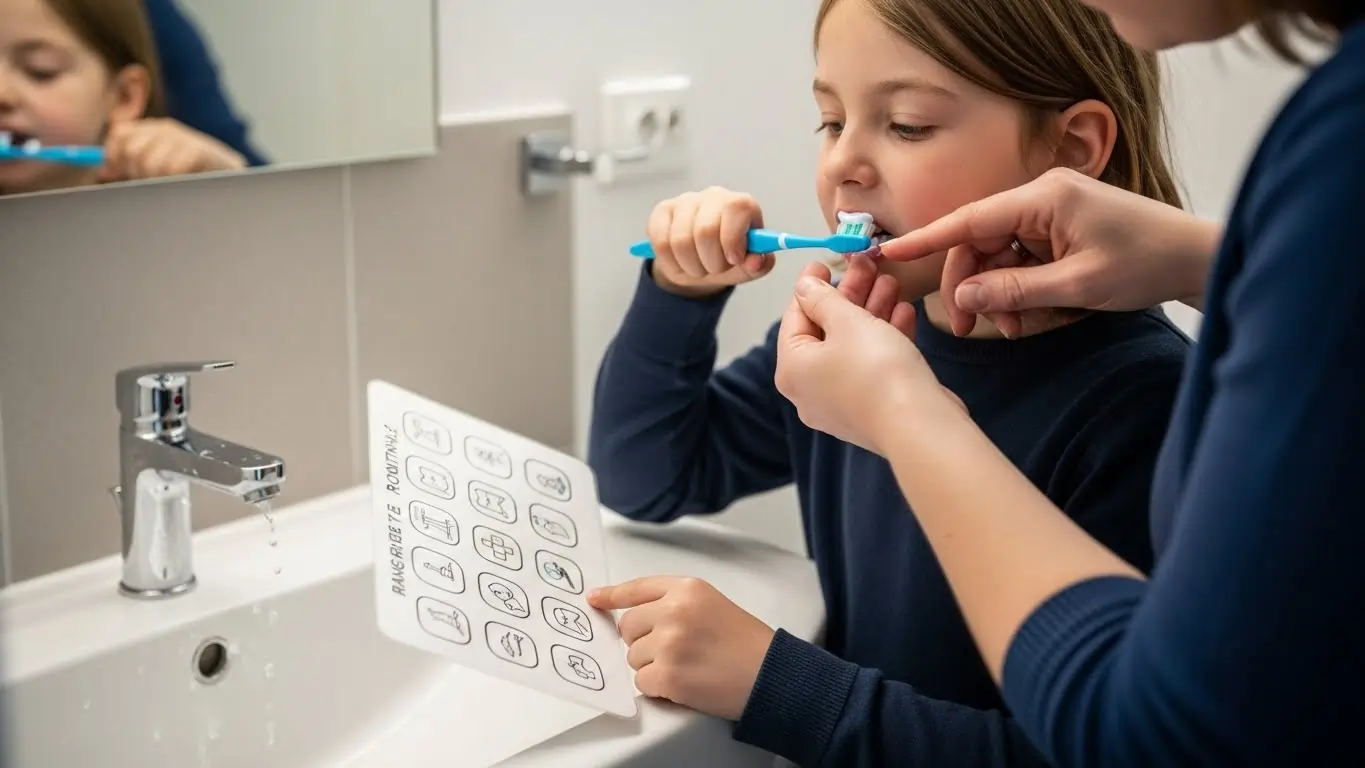
How Help at Hand Support Assists Participants
Help at Hand Support provides structured, evidence-based NDIS support designed to build daily living, communication, and emotional regulation skills for children with Global Developmental Delay.
Support workers assist participants through the methods listed below.
- Developing core skills in movement, play, and personal care to enhance independence.
- Coaching daily routines to create structure, reduce stress, and support behavioural stability.
- Improving communication abilities through speech practice in collaboration with allied health professionals.
- Encouraging community participation through sensory-safe, supervised engagement activities.
- Supporting emotional regulation using positive behaviour reinforcement strategies.
- Working with families and caregivers to extend skill development beyond session hours.
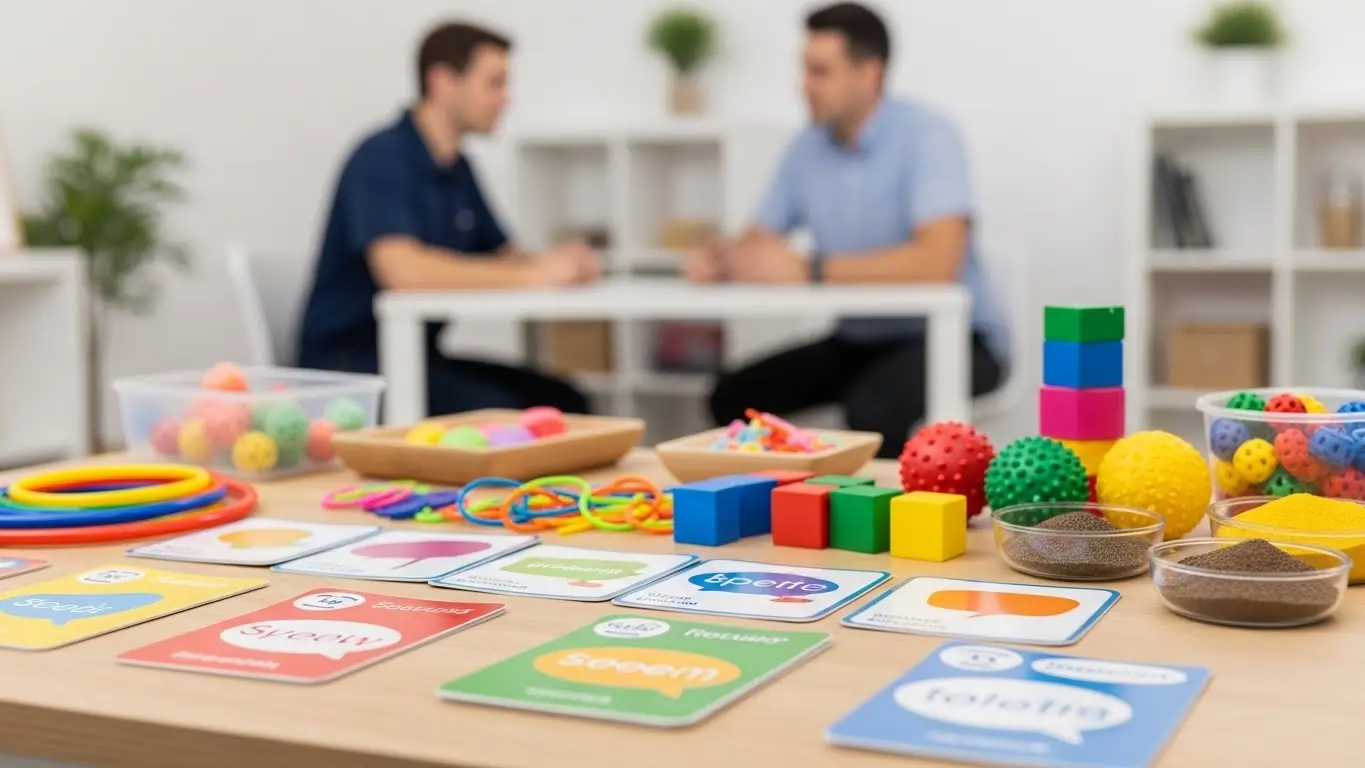
Every support worker is trained in child development, sensory integration, and neurodevelopmental practices, and coordinates with speech and occupational therapists as required to ensure all interventions align with each participant’s NDIS goals.
Why Consistent Support Matters for GDD Progress
Consistent support helps children with Global Developmental Delay build long-term progress through repetition, familiarity, and stable reinforcement.
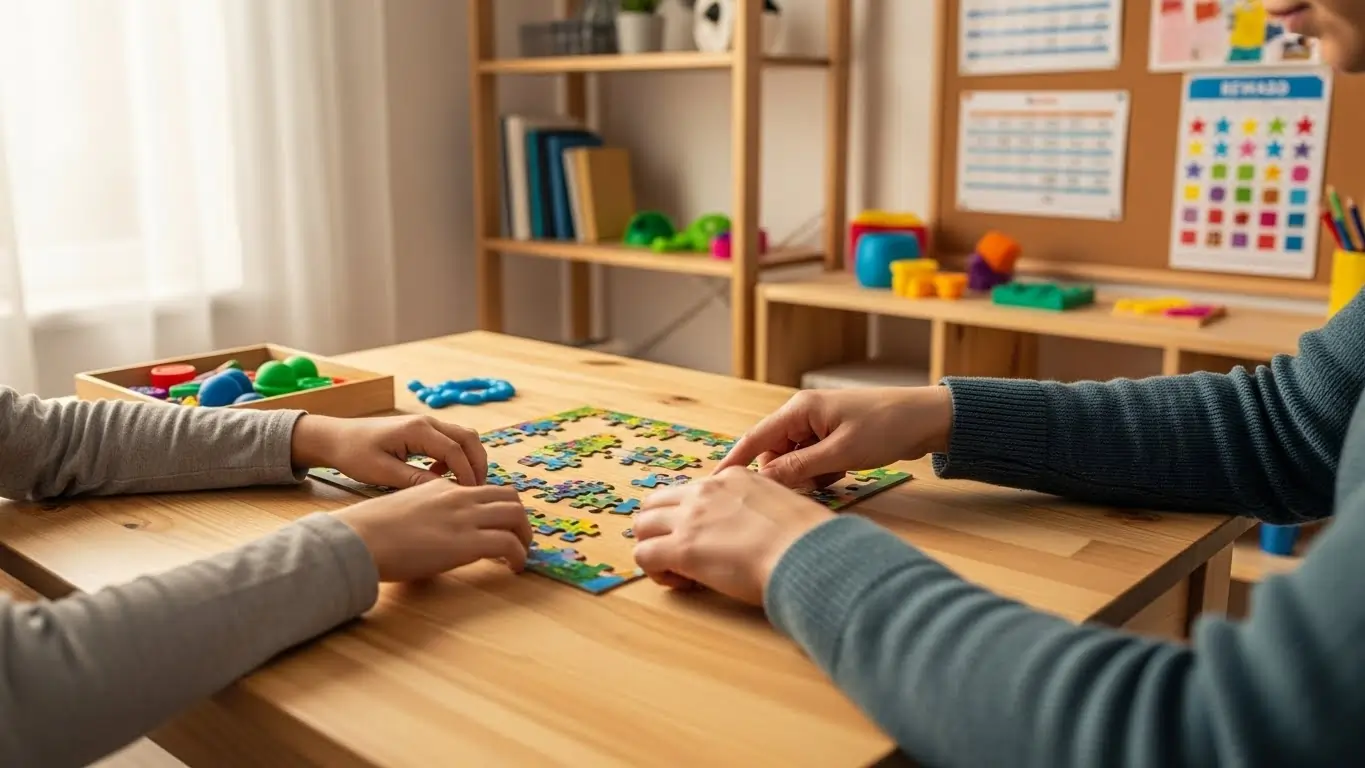
When routines are predictable and the same support worker provides guidance, children develop stronger neural pathways, build confidence, and retain new skills more effectively.
Help at Hand Support maintains continuity by assigning familiar staff who understand each participant’s communication style, sensory preferences, and learning pace.
This consistent approach maximises comfort, supports emotional security, and enables measurable growth through regular progress reviews aligned with individual NDIS goals.
Who Can Access Global Developmental Delay Support Services
Children and young people aged 0–18 years with a diagnosis or provisional assessment of Global Developmental Delay can access these supports through their NDIS plan.
Services comply with the NDIS (Supports for Participants) Rules 2013 and the NDIS Quality and Safeguards Framework.
All programs prioritise inclusion, safety, and the participant’s learning pace.
What Makes Help at Hand Support Different
Help at Hand Support delivers neurodevelopmental expertise with compassionate, accountable care, ensuring every participant receives consistent, measurable progress under their NDIS plan.
Our key strengths are as listed below.
- Qualified support workers with verified training in behavioural and neurodevelopmental assistance.
- Early intervention programs are designed to help children achieve developmental milestones faster.
- Collaborative coordination with speech and occupational therapists for holistic progress.
- Data-driven reporting aligned with NDIS outcomes and individualised goals.
- Flexible support delivery across home, school, and community environments for consistency.
The team maintains clear, structured communication with families, ensuring every milestone—no matter how small—builds toward lasting independence and confidence.
Start Global Developmental Delay Support Today
Families ready to begin NDIS-funded support for Global Developmental Delay can contact Help at Hand Support for a tailored service plan.
Frequently Asked Questions
What is Global Developmental Delay?
Global Developmental Delay refers to delays in two or more developmental areas, such as communication, mobility, cognition, or socialisation.
Does the NDIS cover support for Global Developmental Delay?
Yes. The NDIS provides funding for eligible participants where the delay substantially affects functional capacity.
What skills can be developed through support?
Daily living, speech, social interaction, and emotional regulation skills are key focus areas.
Is support provided at home or in the community?
Both. Help at Hand Support delivers programs in homes, schools, and communities.
Can Global Developmental Delay improve with consistent support?
Yes. Research shows structured repetition, caregiver involvement, and early intervention can significantly enhance outcomes.
Are services available across Australia?
Yes. Help at Hand Support delivers GDD support nationally.
Personal Care Assistance for Daily Living Skills
Children with Global Developmental Delay often require structured support with personal care activities, such as dressing, grooming, and meal preparation. Consistent support in these areas reinforces independence and stability in routines.
Help at Hand Support also offers personal care assistance, delivered by trained NDIS support workers who focus on building daily living skills, improving confidence, and promoting self-reliance across home and community environments.
Help at Hand Support provides structured, NDIS-funded support for children and young people with Global Developmental Delay (GDD), focusing on daily living skills, communication development, and emotional regulation.
Consistent, goal-focused support helps participants strengthen functional independence, improve learning outcomes, and build confidence across home, school, and community environments.