Help at Hand Support provides structured, NDIS-funded support work services for people living with Multiple Sclerosis (MS).
Support focuses on maintaining independence, managing fatigue, and assisting with everyday living tasks through consistent, hands-on help at home and in the community.
What Is Multiple Sclerosis and How Does It Affect Daily Living
Multiple Sclerosis is a progressive autoimmune neurological condition that affects the central nervous system (CNS) by damaging the protective myelin sheath around nerves.
This process, known as demyelination, disrupts communication between the brain and body, causing muscle weakness, balance issues, tremors, coordination difficulty, vision changes, and cognitive fatigue.
These changes make everyday activities such as walking, self-care, and household tasks more challenging. Predictable support routines help participants manage energy levels, prevent fatigue, and maintain safety throughout the day.

What the Multiple Sclerosis Support Work Service Includes
The Multiple Sclerosis support work service provides direct, practical assistance from trained support workers who understand neurological conditions.
Each plan is tailored to the participant’s energy levels, routines, and mobility needs.
Support may include:
- Personal care: showering, dressing, grooming, and continence care
- Mobility and transfers: walking, repositioning, and fall prevention
- Fatigue management: pacing, structured rest, and energy conservation
- Household support: meal preparation, cleaning, and daily organisation
- Community access: appointments, shopping, or social activities
- Cognitive support: prompting, task sequencing, and communication assistance
Understanding Symptom Variability and Support Adaptation
Multiple Sclerosis can present as relapsing-remitting or progressive, meaning symptoms may fluctuate or gradually worsen over time.
Participants often experience variable fatigue, balance instability, tremors, spasticity, and sensory changes.
Help at Hand Support delivers structured routines that adjust to these variations without disrupting daily stability. Support workers focus on consistency, safety, and participant-led pacing.
What Are the Common Multiple Sclerosis Symptoms That Affect Daily Tasks
People living with Multiple Sclerosis experience symptoms that change how they manage daily activities, so support workers adapt assistance to match each person’s physical and cognitive needs.
Common symptoms that impact daily living are as listed below.
- Fatigue and energy loss throughout the day
- Muscle weakness, stiffness, and spasticity
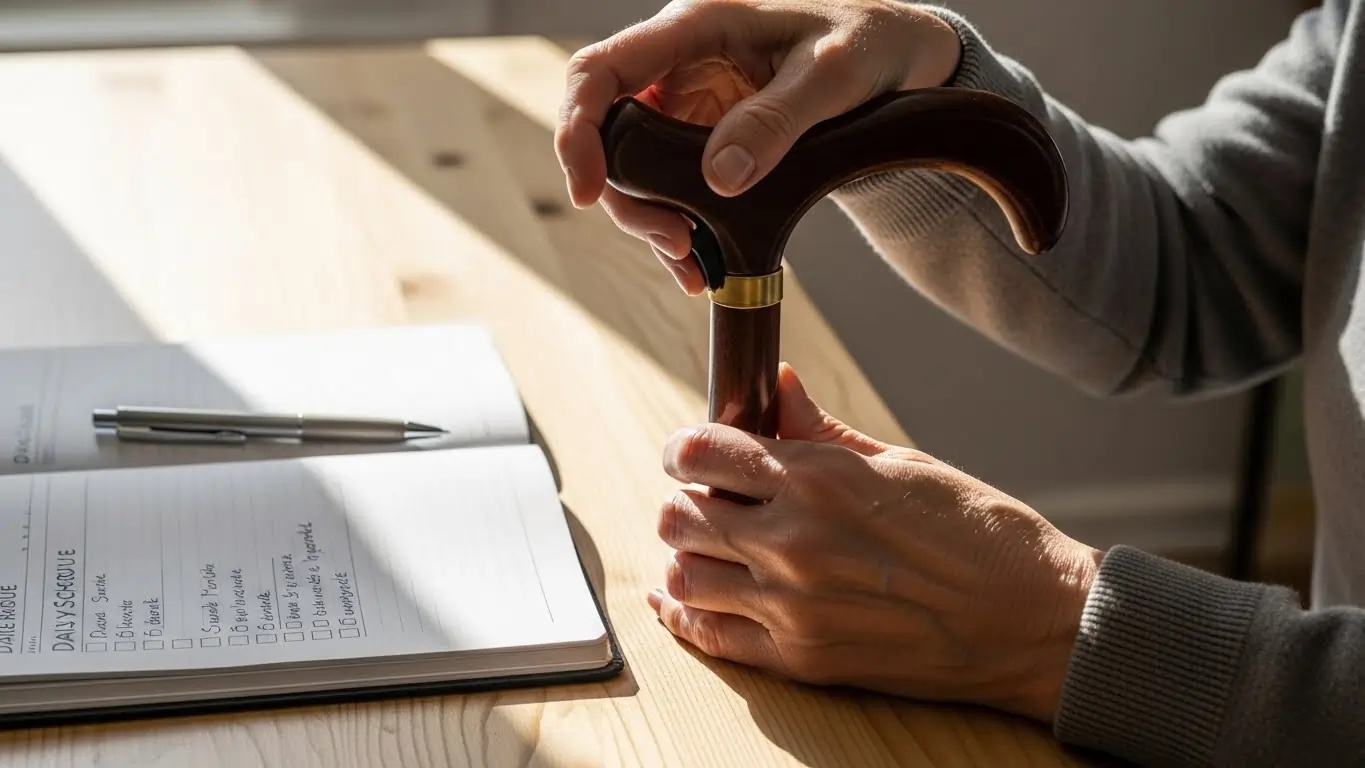
- Tremors or coordination issues affecting hand and fine motor control
- Vision changes and heat sensitivity that limit focus or endurance
- Balance difficulties increase fall risk
- Sensory changes, numbness, or reduced physical awareness
- Cognitive fatigue, slower information processing, and short-term memory lapses
Each of these symptoms affects how daily support is planned and delivered, ensuring every participant’s comfort, confidence, and safety remain consistent.
Who the Multiple Sclerosis Support Work Service Is For
Multiple Sclerosis support Service is designed for NDIS participants at any stage of Multiple Sclerosis who need regular hands-on support to manage physical, cognitive, or fatigue-related challenges.
It suits individuals with fluctuating energy levels and families seeking reliable, consistent support delivered in a way that adapts as needs change.
Why Families Choose Help at Hand Support
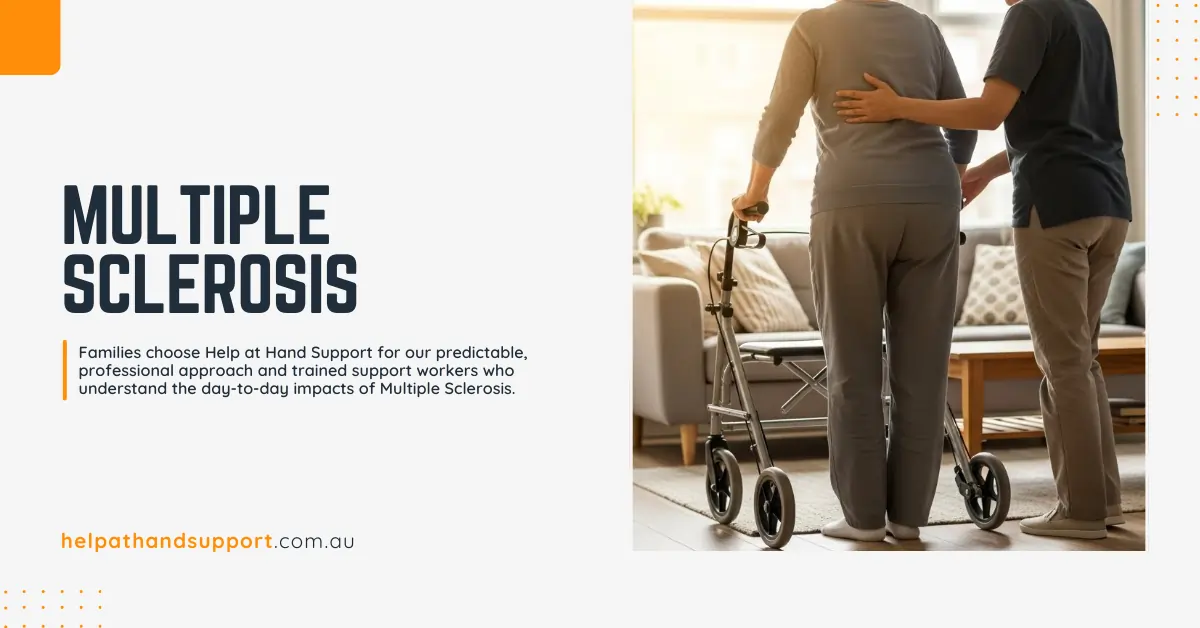
Families choose Help at Hand Support for our predictable, professional approach and trained support workers who understand the day-to-day impacts of Multiple Sclerosis.
Our organisation focuses on:
- Consistent, respectful assistance
- Structured routines that reduce fatigue
- Clear communication and reliability
- Support aligned with participant goals and NDIS plans
How Multiple Sclerosis Support Aligns With NDIS Goals
MS support helps participants maintain independence, safety, and community participation.
Each plan is goal-driven, practical, and delivered within approved NDIS Core Support funding.

Getting Started With Multiple Sclerosis Support
Getting started begins with understanding each participant’s mobility, fatigue patterns, and preferred routines.
Help at Hand Support then matches participants with trained, condition-aware support workers who deliver structured daily assistance from day one.
Support is delivered with respect, predictability, and focus on improving comfort and quality of life.
Frequently Asked Questions
Does Help at Hand Support provide support for people with Multiple Sclerosis?
Yes. Help at Hand Support delivers NDIS-funded support work services for participants living with Multiple Sclerosis, focused on daily living, mobility, and fatigue management.
Is the support service only for severe MS cases?
No. Support is available for participants at any stage of MS, including relapsing-remitting and progressive forms.
Are the support workers trained to support individuals with neurological conditions?
Yes. Support workers receive specific training in neurological disabilities and understand symptom variability and energy management.
Can the service adapt when my symptoms change?
Yes. Support plans are flexible and adjust to fatigue levels, mobility changes, and daily energy fluctuations.
Is transport to appointments included?
Yes. Community access support covers accompanied travel to appointments, shopping, and social activities within NDIS plan limits.
How Personal Care Assistance Supports People with Multiple Sclerosis
Daily routines can become challenging for people living with Multiple Sclerosis due to fatigue, reduced coordination, and muscle stiffness.
Participants who require help with essential tasks such as showering, dressing, or grooming can benefit from Personal Care Assistance.
This NDIS-funded service focuses on maintaining independence, safety, and comfort through structured daily routines delivered by trained support workers who understand the physical and cognitive impacts of MS.
Help at Hand Support provides structured NDIS-funded support work for people living with Multiple Sclerosis (MS), focused on daily living assistance, mobility support, fatigue management, and routine stability.
Consistent, hands-on support helps participants manage symptom variability, maintain safety, and preserve independence and confidence at home and in the community.