For NDIS participants, the days around a hospital discharge support can feel more uncertain than the hospital stay itself. Beds are needed for the next patient, timelines move fast, and suddenly a person is expected to return home to a routine that may no longer fit their needs — without much warning that it was coming.
At Help at Hand Support, we see this moment often: the gap between “medically ready to leave” and “actually ready to cope at home.” Closing that gap is what hospital discharge support is about.
Why Hospital Discharge Support Is a Vulnerable Moment
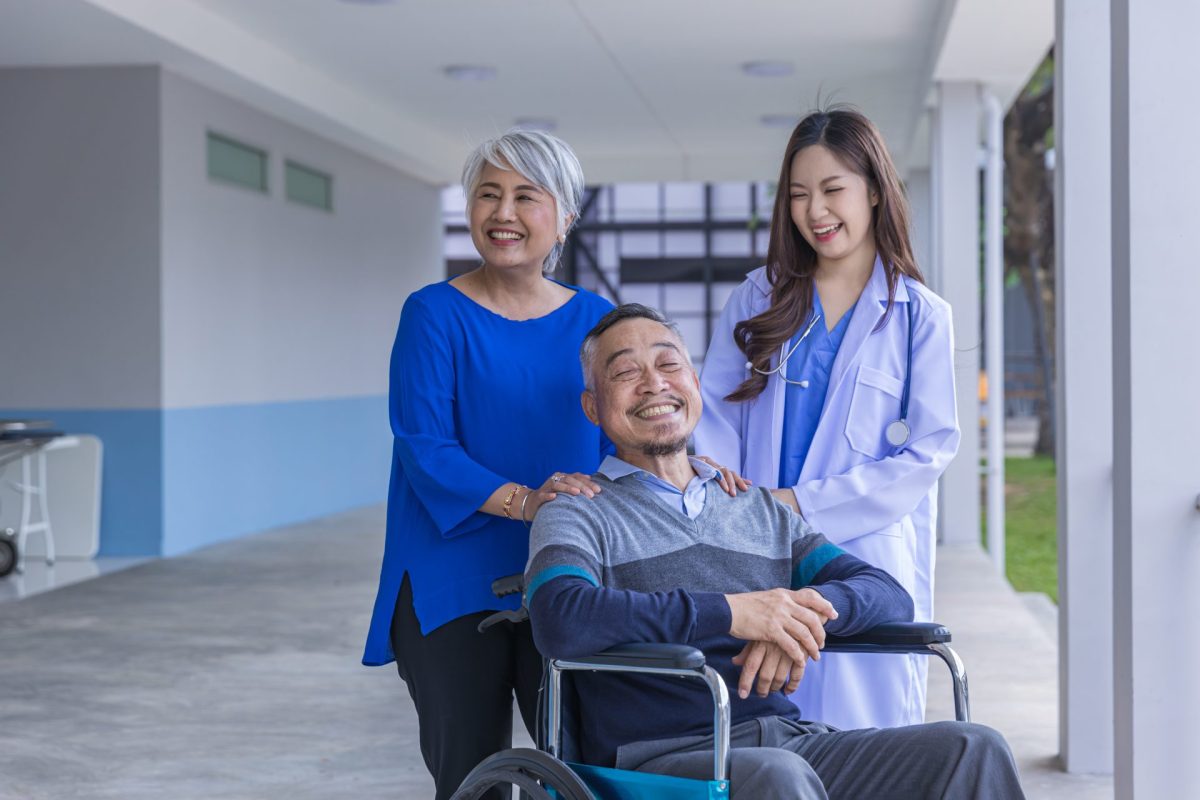
A hospital stay can change what a person needs day to day, sometimes overnight. Mobility may be reduced. Confidence can take a hit. Family members who normally help maybe stretched thin trying to manage appointments, medication schedules, and a home that isn’t yet set up for a safer return. Without the right supports lined up in advance, people can end up back in hospital simply because the environment they returned to wasn’t ready for them.
This is often called the “discharge gap”, the space between being cleared to leave and actually having the everyday supports in place manage safely. It’s rarely about medical need alone. More often it’s the practical, everyday things: who helps with a shower on the first morning home, who notices if a routine task has become too difficult, who’s there to reassure someone who’s feeling anxious about managing alone. These are exactly the gaps that a well-timed hospital discharge support plan can close.
For participants living with disability, this moment carries extra weight. A hospital admission can disrupt routines that took a long time to build, and rebuilding that stability afterward takes more than just physical recovery, it takes the right people back in the picture, quickly.
What Good Hospital Discharge Support Looks Like
Good discharge planning starts before the person leaves the ward, not after. The NDIS itself commits to contacting participants within 4 days of a hospital admission being reported, connecting them with a dedicated Health Liaison Officer — but real-world outcomes depend just as much on what happens around that process. It means:
- Coordinating early with hospital social workers and discharge liaison officers so supports are ready on day one at home
- Reviewing the home environment for practical barriers — stairs, bathroom access, layout — before someone returns to it
- Arranging personal care and daily living support so basic routines (meals, hygiene, mobility) don’t fall through the cracks
- Building a step-down plan, where support is more intensive in the first weeks and gradually eases as independence returns
- Keeping communication open between the participant, their family, treating team, and support coordinator
Where help at hand fits in
Help at Hand works alongside hospital teams, families, and support coordinators to make the transition home smoother. Our support workers help with personal care, daily tasks, and community access during recovery, so participants aren’t navigating this stretch alone. We also stay in touch with support coordinators to make sure any plan changes are picked up quickly.
Hospital Discharge Support Near You
Because the discharge window moves fast, having a local team who already knows the area’s hospitals and health networks makes a real difference. Find out more about hospital discharge support in your city:
No Two Hospital Discharge Support Scenarios Look the Same
Some participants need intensive, hands-on support for the first week or two before easing back to their usual level of care. Others need a lighter touch, someone checking in, helping with groceries, or providing transport to follow up appointments while confidence rebuilds. What matters most is that the hospital discharge support is flexible enough to match the pace of recovery, rather than locking someone into a plan that doesn’t reflect how they are actually going.
Building Better Connections with Hospitals
We’re also building stronger relationships with hospital social workers and discharge liaison officers, so that when a participant is ready leave, the right supports are already being arranged rather than scrambled together at the last minute. The earlier that conversation starts, the smoother the transition tends to be.
How Does This Connect to Ongoing NDIS Support?
Discharge support often marks the start of a longer support relationship. As recovery progresses, needs shift – what looks like short term help immediately after hospital can evolve into ongoing personal care, community participation, or capacity building supports under a participants’ plan. Getting the discharge phase right sets the tone for everything that follows.
Make a Referral Today
Ready to get hospital discharge support organised? Make a referral today and our team will be in touch to start the process.
Frequently Asked Questions

Check out more from our Blog




Book A Care Consult
We will be in contact with you shortly