High Intensity Behaviour Supports
High-intensity behaviour support provides specialised, evidence-based support for NDIS participants whose behaviours of concern affect their safety, wellbeing, independence, or relationships. Delivered by trained behaviour support practitioners, these supports focus on understanding the underlying causes of behaviour through Positive Behaviour Support (PBS), rather than simply responding to behaviours as they occur. The aim is to build practical skills, improve communication, reduce or eliminate restrictive practices where possible, and help participants achieve greater choice, inclusion, and quality of life.
“High-intensity behaviour support isn’t about controlling behaviour. It’s about understanding the person behind the behaviour, so they’re met with respect, patience, and the right support.”
What is High Intensity Behaviour Supports?
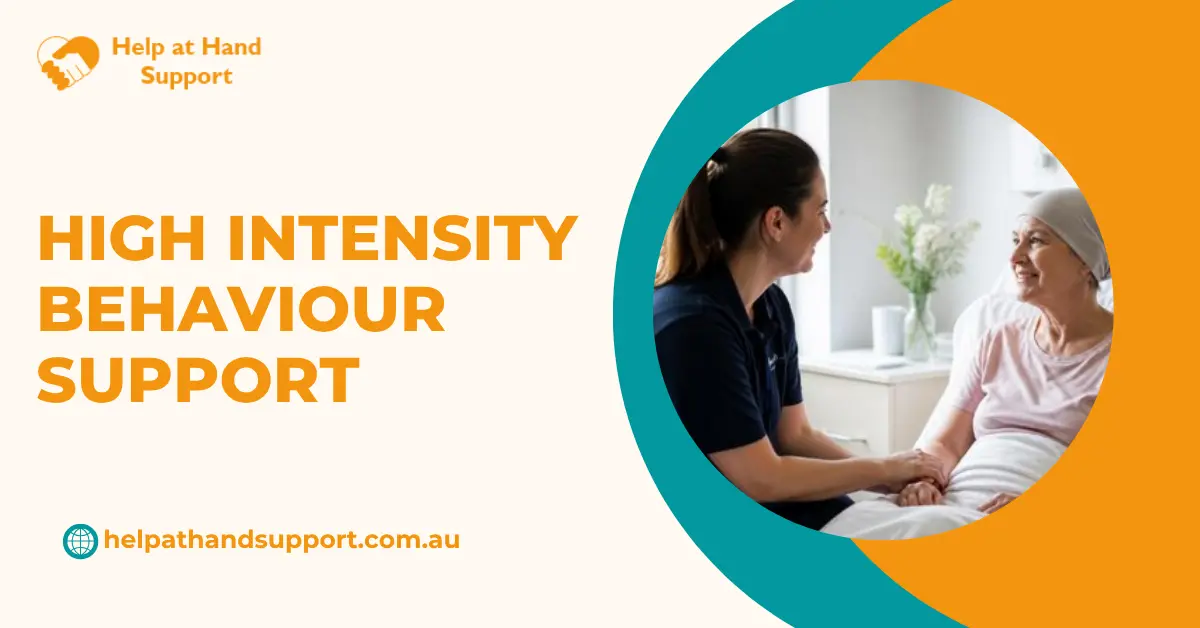
High intensity behaviour support is specialised support for NDIS participants whose behaviours of concern require a higher level of clinical expertise to assess, understand, and respond to safely and effectively.
Delivered by qualified behaviour support practitioners, it focuses on identifying the underlying causes of behaviour through Positive Behaviour Support (PBS), rather than simply responding to behaviours as they occur.
Supports may include functional behaviour assessments, individualised behaviour support plans, skill development, and strategies to reduce or eliminate restrictive practices where possible.
The goal is to improve quality of life, strengthen communication and independence, reduce risks, and help participants feel understood, safe, and respected.
Our High Intensity Behaviour Support Services
Our behaviour support practitioners work with participants, families, support workers, and other providers to deliver Positive Behaviour Support (PBS) that is person-centred, evidence-based, and aligned with NDIS Commission requirements.
- Functional Behaviour Assessments – Identifying the underlying causes, triggers, and functions of behaviours of concern to inform appropriate support strategies.
- Behaviour Support Plans – Developing and implementing individualised, evidence-based behaviour support plans that reflect each participant’s goals and needs.
- Restrictive Practice Reduction – Working toward reducing and, where appropriate, eliminating restrictive practices through proactive Positive Behaviour Support strategies.
- Regulated Restrictive Practices – Authorised use, monitoring, and reporting where a restrictive practice remains in place.
- De-escalation and Crisis Response – Safe, respectful responses to behaviours of concern as they occur.
- Skill Building – Teaching replacement behaviours, communication skills, emotional regulation, and practical strategies that support greater independence.
- Data Collection and Reporting – Tracking incidents and outcomes to refine support over time.
- Environmental Adjustments – Modifying routines and surroundings to reduce triggers.
- Stakeholder Collaboration – Working alongside families, carers, and other providers for consistent support.
Beyond these areas, our team also supports participants through transition planning, capacity building, ongoing review of behaviour support strategies, and close collaboration with allied health professionals, families, carers, and support workers.
Where participants also receive Complex Care Support 24/7, our behaviour support practitioners work alongside the wider support team to promote consistent behaviour support strategies, reduce risks, and maintain continuity of care.

Who is High Intensity Behaviour Support For?
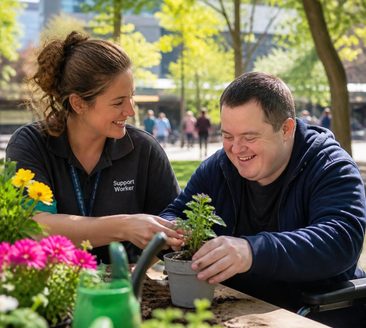
High intensity behaviour support is for NDIS participants whose behaviours of concern are complex, frequent, or high risk, often involving safety risks to themselves or others, the use of restrictive practices, or behaviours that have not responded to standard support approaches.
This can include people with intellectual disability, autism, acquired brain injury, psychosocial disability, or other complex support needs, particularly where behaviours affect communication, daily living, relationships, community participation, or overall quality of life.
It is also suited to participants who currently have a regulated restrictive practice in place and require a qualified behaviour support practitioner to complete functional behaviour assessments, develop and review behaviour support plans, monitor outcomes, and work towards reducing or eliminating restrictive practices in accordance with NDIS Commission requirements and Positive Behaviour Support principles.
Why choose Help at Hand Support?
Help at Hand Support delivers high-intensity behaviour support that combines evidence-based practice with a person-centred approach. Our behaviour support practitioners work closely with participants, families, carers, and support teams to deliver consistent, respectful support that aligns with each participant’s goals.
- Person-Centred Approach – We take the time to understand each participant’s strengths, preferences, communication style, routines, and goals before developing behaviour support strategies.
- Continuity of Care – We promote consistent behaviour support by working closely with participants, families, carers, and support teams so strategies remain consistent across different environments.
- NDIS Registered Provider – Our services are delivered in line with applicable NDIS Practice Standards and NDIS Commission requirements for behaviour support.
- 24/7 Availability – Where behaviour support forms part of a participant’s broader care, our wider support team can provide assistance during the day, overnight, weekends, and public holidays.
- Collaborative Communication – We work closely with participants, families, carers, support workers, and allied health professionals to ensure behaviour support strategies are consistently understood and applied.
Our Participants


Frequently Asked Questions

Book A Care Consult
We will be in contact with you shortly