Farsi Speaking Disability Support Worker Jobs in Australia

Farsi-speaking disability support worker roles are for Farsi-English bilingual applicants who assist NDIS participants with daily living, personal care, community access, transport, appointments and communication with families or care teams.

Help at Hand Support is recruiting Farsi-speaking disability support workers across its Australian service areas. Your Farsi and English communication skills help participants and families clearly discuss routines, care preferences, privacy needs, appointments, and home support.

We are looking for caring, reliable and respectful applicants who can support Farsi-speaking participants in home and community settings.

Complete our online application form and tell us your location, experience, availability and Farsi language skills.

Looking for other language-based roles? View our multilingual disability support worker jobs page.

Farsi speaking disability support worker supporting an NDIS participant at home

Role Summary

Role – Farsi Speaking Disability Support Worker
Applicant – Farsi-English bilingual support worker
Work setting – Home, community, transport and appointments
Main support – Daily living, personal care, community access and family communication
Application action – Submit the online application form
Language value – Farsi and English communication for participants, families and care teams
Community relevance – Farsi-speaking and Persian-speaking community support where relevant

Ready to apply?

Submit your Farsi-speaking DSW application online. Include your suburb, state, Farsi and English language skills, previous support experience, availability and resume.

Apply for Farsi Speaking Disability Support Worker Jobs

Help at Hand Support recruits Farsi-speaking disability support workers for NDIS support roles across its service areas in Australia.

This role suits Farsi-English bilingual applicants who want to use their language skills in meaningful disability support work. Farsi-speaking participants and families often need clear communication around daily routines, personal care, appointments, transport, community access, privacy needs and family preferences.

As a Farsi-speaking support worker, you assist participants with practical daily tasks and help them feel understood during conversations about care, dignity, personal routines, and support goals.

This role is relevant to applicants with experience in disability support, nursing, personal care, community care, family care, or support work within Farsi, Persian, or Iranian-Australian community settings, where relevant.

What Farsi Speaking Disability Support Workers Do

Farsi-speaking disability support workers support NDIS participants with daily activities, personal care, home routines, community participation and communication.

Assigned duties depend on the participant’s NDIS plan, support needs, location, shift type and worker suitability.

Daily Living Support

Farsi-speaking disability support workers support participants with daily routines, including meal preparation, light household tasks, dressing, hygiene reminders, organising the day and maintaining a safe home environment. For Farsi-speaking participants, daily living support also involves understanding familiar home routines, preferred communication styles, family expectations, meal preferences and comfort around everyday care.

Personal Care Support

Personal care support is part of many disability support worker roles. For personal care shifts, support workers assist with showering, grooming, dressing, toileting or mobility while following the participant’s support plan, privacy preferences and dignity needs. Farsi language skills help participants explain sensitive personal care preferences clearly and comfortably. For some Farsi-speaking participants, respectful support also includes careful communication around privacy, modesty, personal boundaries and family involvement.

Community Access

Farsi-speaking support workers help participants attend shopping, social activities, community programs, Farsi-speaking community settings, exercise, education, appointments and family visits. Where relevant, this can include Persian community events, family gatherings, cultural activities, religious visits or community centre activities.

Transport and Appointments

Farsi-speaking disability support workers support participants with transport to medical appointments, therapy sessions, shopping, family commitments, community activities and social outings. Clear Farsi-English communication helps participants and families understand appointment times, travel arrangements, routines, care team instructions and support expectations.

Family and Coordinator Communication

Support workers communicate with participants, families, carers, coordinators, and care teams to ensure support remains consistent and respectful. For Farsi-speaking families, clear communication in Farsi supports better conversations about routines, personal care, appointments, concerns, preferences and participant goals.

Farsi-Language and Culturally Familiar Support

Farsi-speaking support workers help participants and families discuss care needs in a familiar language while respecting privacy, dignity, family involvement and home routines. For some Farsi-speaking participants, culturally familiar support includes understanding Persian family communication, meal preferences, family visits, Nowruz or Yalda gatherings, religious or community visits, and respectful explanation during personal care.

Who Can Apply for Farsi Speaking DSW Jobs?

This role suits caring, reliable and respectful Farsi-English bilingual applicants who want to support people with disabilities.

  • Speak Farsi and English
  • Understand that Farsi and Dari are related but different language needs
  • Have experience in disability support, personal care, nursing, community care or family care

  • Communicate clearly with participants, families and coordinators
  • Respect privacy, dignity, culture and personal boundaries
  • Understand modesty and respectful communication during personal care
  • Follow participant support plans and workplace instructions
  • Complete checks and onboarding required for the assigned role
  • Hold the right to work in Australia

Farsi-speaking applicants bring more than translation. They bring clarity of language, cultural familiarity, family understanding, respectful communication, and confidence when supporting participants who prefer Farsi-language care.

Common Checks and Requirements

Applicants complete the checks and requirements connected to their assigned role, state, participant needs and support setting.

  • NDIS Worker Screening Check
  • Police Check
  • Working With Children Check where required
  • First Aid and CPR where required
  • Driver licence for transport-based shifts
  • Right to work in Australia
  • Relevant disability, aged care, personal care, nursing or community support experience
  • Resume or work history
  • Availability for suitable shifts
  • Agreement to follow participant support plans and workplace policies

The recruitment team confirms the exact checks, documents and onboarding steps during the application process.

Who This Role Suits in the Farsi-Speaking Community

Farsi-speaking disability support worker roles are especially relevant for applicants who understand:

  • Farsi family communication
  • Persian-speaking community settings
  • Home-based support routines
  • Clear language during care
  • Privacy, modesty, respect and family involvement
  • Support the needs of older Farsi-speaking participants
  • Appointment, transport and service navigation in English and Farsi
  • Cultural gatherings such as Nowruz or Yalda are relevant

This role suits applicants who have:

  • Supported Farsi-speaking family members or community members
  • Worked in disability care, nursing or community support
  • Helped with personal care, meal routines, appointments or transport
  • Communicated with families about care needs and daily routines
  • Supported older Farsi-speaking participants or people with limited English
  • Understood privacy, dignity, modesty and family involvement during care
  • Helped people navigate appointments, services or community activities in English and Farsi
  • Supported people during family visits, community events or religious activities where relevant

Help at Hand Support reviews your experience, checks, availability, and location to match you with suitable support roles.
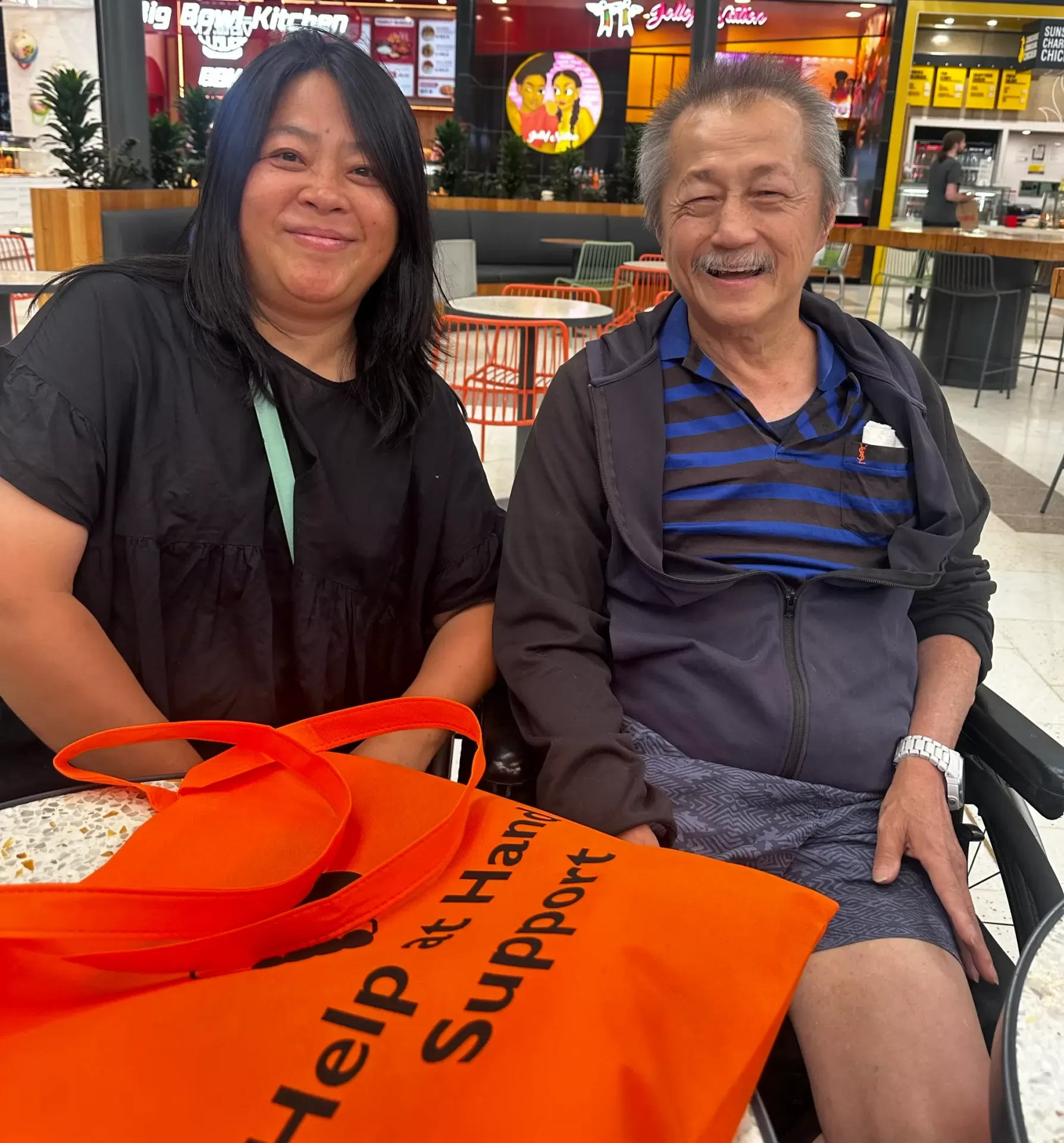
Monica and David

Why Farsi Language Skills Matter in Disability Support

Farsi language skills facilitate clearer communication among participants, families, support workers, and care teams.

Farsi-speaking participants often feel more confident when they can explain daily routines, care preferences, personal care needs, appointments, home tasks, and support goals in Farsi. Families also communicate more clearly when discussing support expectations in their preferred language.

  • Explaining personal care preferences in Farsi
  • Supporting older Farsi-speaking participants who speak limited English
  • Communicating with family members about routines and appointments
  • Supporting community access in Persian-speaking or Farsi-speaking settings where relevant
  • Supporting participants around Nowruz, Yalda, family gatherings or community events where relevant
  • Respecting privacy, modesty, dignity and family involvement during care
  • Explaining support routines clearly between Farsi and English

Farsi and Persian Community Context in Disability Support

Farsi language skills are valuable because disability support often involves personal conversations about care, privacy, routines, appointments, transport and family communication.

For Farsi-speaking participants, support can feel clearer when the worker understands both the language and the community context around daily life. This can include Persian family communication, respect for older family members, familiar meal routines, community gatherings, Nowruz, Yalda, religious visits, community centres and family events where relevant.

Farsi-English bilingual support workers help participants explain what they need, what they prefer, what feels uncomfortable and what support routine works best for them.

This role is not only about speaking Farsi. It is about using Farsi and English to connect participant needs, family communication, care team instructions and daily support tasks.

Farsi Support Situations Where Your Language Skills Matter

Farsi-English bilingual support workers are valuable when the participant’s support depends on language, trust, family communication and cultural comfort.
Personal Care Conversations

Discussing showering, dressing, toileting, mobility support, pain, discomfort, preferences, boundaries, privacy and modesty respectfully in Farsi.

Family and Appointment Support

Speaking with family members about changes in routine, appointment needs, transportation, family visits and care team communication in Farsi and English.

Community and Cultural Comfort

Supporting family visits, Persian community events, Nowruz or Yalda gatherings, religious visits, community centres, cultural activities and unfamiliar appointments where relevant.

Farsi Speaking Disability Support Worker Jobs by Location

Help at Hand Support recruits disability support workers across its Australian service areas.

Farsi-speaking applicants are considered for suitable roles based on participant demand, language matching, location, availability, experience and support needs.

  • Victoria
  • New South Wales
  • Queensland
  • Western Australia
  • South Australia

When you apply, include your suburb, state, Farsi language ability, support experience and shift availability. This helps the recruitment team review suitable opportunities in your area.

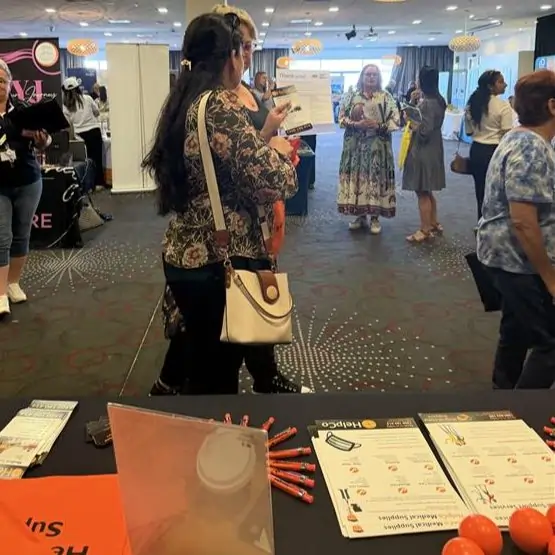
Melton Community Expo

How to Apply for Farsi Speaking DSW Jobs

Step 1

Open the online application form.

Step 2

Submit your details and resume.

Step 3

Speak with the recruitment team.

Step 4

Complete checks and onboarding.

Step 5

Get matched with suitable participants.

Why Join Help at Hand Support?

Help at Hand Support values support workers who care about people, communication and respectful disability support.

As a Farsi-speaking disability support worker, you use your language skills to support participants who prefer Farsi-language communication. You also build experience in the disability and NDIS sector while helping people with daily routines, personal goals and community participation.

  • Use your Farsi language skills in a meaningful support role
  • Support NDIS participants with daily living and community access
  • Help participants and families communicate clearly
  • Work in home, appointment, transport and community settings
  • Build experience in the disability support sector
  • Join a team that values cultural understanding and respectful care

Explore More Multilingual Disability Support Worker Jobs

Farsi Speaking Disability Support Worker Job FAQs

Complete the online application form and submit your contact details, location, Farsi language skills, English communication level, experience, availability and resume. The recruitment team reviews your application and contacts suitable applicants.
Farsi-speaking support worker roles require strong Farsi communication when the participant or family prefers support in Farsi. The recruitment team reviews your language ability, experience and suitability for each role.
Yes. Farsi-English bilingual applicants are encouraged to apply, especially when they have disability support, aged care, nursing, personal care, community support or family care experience.
No. Farsi and Dari are closely related but treated as different language needs for recruitment matching. Farsi-speaking applicants are considered for Farsi-language participant matches. Dari-speaking applicants should apply through Dari speaking disability support worker opportunities when available.
Farsi-speaking disability support workers support NDIS participants with daily living, personal care, transport, appointments, community access, household tasks, family communication and Farsi-language support.
Previous disability support experience strengthens your application. Relevant aged care, nursing, personal care, community care, family care or support work experience also supports your suitability.
Applicants complete the checks required for the assigned role and location. These include the NDIS Worker Screening Check, Police Check, Working With Children Check where required, First Aid and CPR where required, and onboarding requirements.
A driver licence is required for transport-based shifts. The recruitment team confirms whether the role involves transport, appointments or community access.
Yes. Family care experience is relevant when it includes respectful support, personal care, routines, appointments, transport or communication with care teams. The recruitment team reviews your full experience and suitability.
Yes. Farsi-speaking disability support workers support participants who feel more comfortable communicating in Farsi, including older participants and people who speak limited English.
Farsi-speaking disability support worker roles depend on participant demand and service coverage. Help at Hand Support recruits across service areas in Victoria, New South Wales, Queensland, Western Australia and South Australia.
Include your name, phone number, email, suburb, state, Farsi language ability, English communication level, previous experience, availability and resume.

Apply for Farsi Speaking Disability Support Worker Jobs

Speak Farsi and English? Want to support NDIS participants in your community?

Help at Hand Support is recruiting Farsi-speaking disability support workers across its service areas. Apply today and tell us your location, experience, availability and Farsi language skills.
Apply for Farsi Speaking Disability Support Worker Jobs

Speak Farsi and English? Complete the online application form below and include your suburb, state, Farsi and English language skills, previous support experience, availability and resume.